Wedding bells, white doves, flower bouquet, veils, dresses, dancing and booze; some of the things you think of when the idea of a wedding comes into mind. But as a bride or groom to be, you are the one planning the wedding and we understand how stressful it must be to plan the perfect day. There are so many things to think about: the wedding dresses, the event space, the band and etc. One thing that most planners forget to properly plan are the wedding gifts and wedding favors. They are usually small trinkets but it is a symbol of gratitude by the couple to all their guests for attending and sharing in their special day. Us here at Nilufer want to help alleviate some stress and provide some ideas for unconventional wedding favors that will leave your guests giddy.

Nilufer tea is a Japanese organic herbal tea that specialises in fruity, floral and herbal tea flavors. They utilise fresh dried fruit, flowers and herbs in their tea bags that leave your mouth with a light and fresh taste. The perfect fix for your mid-day woes; it revitalises your mind and leaves you feeling completely relaxed and ready to tackle the rest of the day. All ingredients are sourced from Japan and they are environmentally sustainable-friendly. Each tea bag is carefully and individually hand packaged with tender loving care and they look absolutely adorable and delectable. They are almost too beautiful to use! Delight and surprise your wedding guests with these as special wedding gifts.
You can purchase your Nilufer wedding favors online at www.nilufertea.com/shop. And if you want something customised for your guests to give that personal touch, Nilufer Tea offers gift customisation services as well.
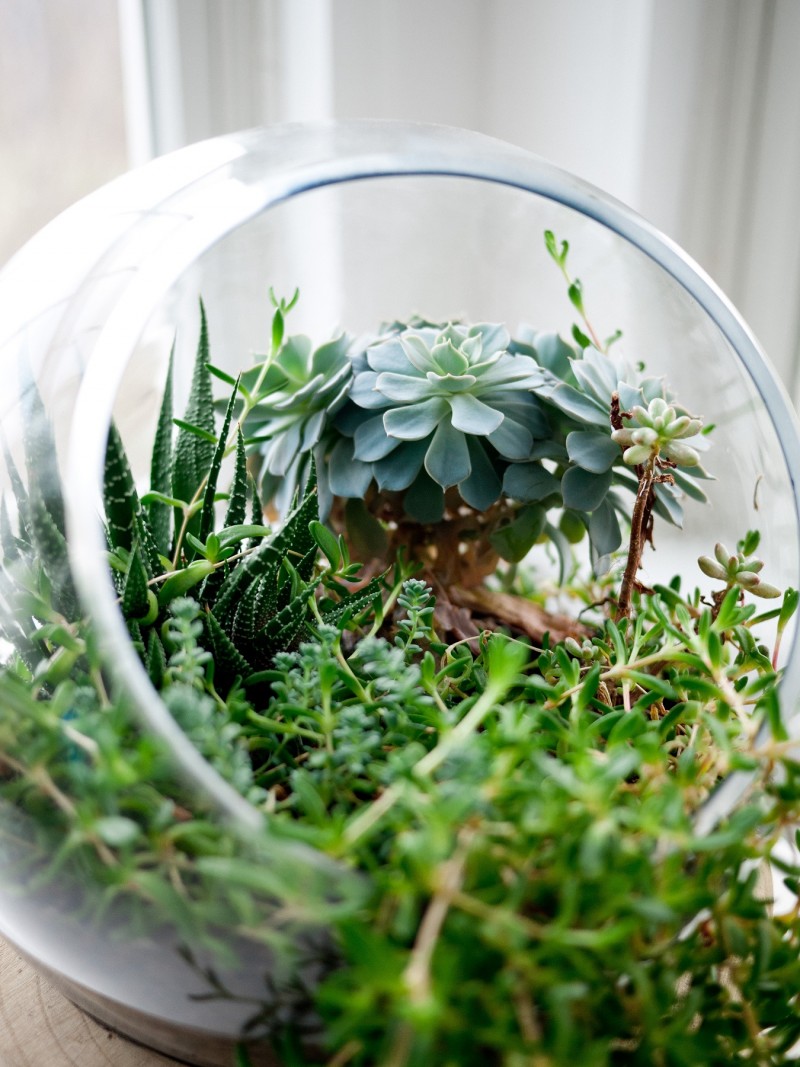
This idea may be a tall order if you have hundreds of wedding guests but if you are having a small wedding or you possess a ton of willpower and manpower to make a few hundred of these, let’s get started. Nothing says thank you quite like a handmade gift and who wouldn’t love to bring home their very own terrarium? It is the perfect decoration for one’s table or shelf. A cute tiny little ball of green colors that will brighten anyone’s day. Being the wonderful hosts that you are, i am sure you’d wish that on all your guests, so fret not - all your terrarium building needs will be typed out right here.
Firstly, to build a terrarium you will need:
The instructions to construct your terrarium is as follows:
Note: Place terrarium under sunlight and lightly water the terrarium every 2 weeks or once the soil dries out. Remember to put these instructions in your packaged terrarium so your guests will be able to take proper care of their lovely wedding favors.
Keeping to the ‘handmade with love’ category, here is another great idea for a favor. Individually customized/decorated throw pillows! Your guests could even use them on the spot as cushioning on their chairs as they watch you waltz around the dance floor. 10 points for functionality! These are really simple to make and they make for a great activity for you and your bridesmaids and groomsmen to do. Who wouldn’t love a night in with some wine and markers to unleash their inner picasso?
Things you will need:
The instructions to make your watercolor pillows are as follows:
Now this is a gift by a wedding couple that thinks ahead. There is bound to be a lot of alcohol at the wedding: wine, champagne, beer etc. Alcohol plus after party plus dancing equals a massive hangover the next day and this hangover kit will be the saving grace for many of your wedding guests. They will thank you graciously for rehydrating them and replenishing their energy. This does not require much DIY skills but if you wish to, you could personalise each box with the names of your guests but a general hangover kit will suffice.
Things to put in each hangover kit:
You could put these in a little drawstring pouch or a box, all up to your artistic taste and style. If your guests are party animals, trust me, they will feel a love so true for you when they open this kit after their night out.

Image cred: Beau coup
Lastly, you can never go wrong with a simple and functional gift like a can sleeve. These sleeves are perfect for summer because they’ll keep your drinks cold for your picnics or outdoor parties. As a perfect finishing touch to your event, you can customize these sleeves with a wedding-themed icon of your choice. You can even provide your own custom artwork, wedding logo, or monogram. Pick from plenty of personalization options, koozie colors, and imprint colors—the sky's the limit! Even the pickiest of guests will enjoy this highly practical yet fun wedding favor.
So there you have it, 5 unconventional wedding favor ideas for your upcoming wedding. I hope this article has helped relieve some of the premarital planning stress and jitters and provided some inspiration for your wedding gifts. At the end of the day, your guests are not at your wedding to receive a gift from you, they are there to celebrate your love as a couple so I’m sure they will love whatever comes from the heart.
Matcha lattes, matcha ice cream, matcha cakes - we've been seeing a lot of these emerald desserts and beverages around lately, but hey, who's complaining?
Matcha literally means 'powdered tea' in Japanese - tea leaves are finely ground to form that emerald green powder everyone is obsessed with. Not only is matcha delicious, it also has a multitude of health benefits. With its high levels of antioxidants, matcha helps to boost metabolism, which aids in weight loss.
If you want to incorporate a little of this magic green powder into your diet, we've got you covered. Here are 8 simple matcha dessert recipes that you can indulge in every week - or every day, for that matter!

Image credits: Vanilla and Bean
This recipe is perfect for when you're trying to slim down, but still itching to indulge your sweet tooth. This emerald bowl of health goodness packs 32 grams of fiber from chia seeds, and requires just minutes to complete.
Ingredients:
Directions:

Image Credits: Wholesome Patisserie
The characteristic bitterness of matcha combines with the sweetness of white chocolate chips in this recipe to form a mouthwatering dessert. These cookies are fuss-free and perfect to serve at parties or when you have guests over.
Ingredients:

Image Credits: Jason Leung on Unsplash
Lucky for us, we don't have to be professional baristas to whip up this tasty drink that's packed full of goodness and health. If you're looking for something more indulgent, feel free to top your latte with some whipped cream.
Ingredients:
Directions:

Image Credits: Manu's Menu
If you're a huge fan of Royce's melt-in-the-mouth nama chocolate, this recipe is for you. These truffle chocolates are decadent and perfect for indulgent movie nights.
Ingredients:
Directions:

Image Credits: Kirbie Cravings
These yogurt popsicles will be a godsend in Singapore's insane heat. To make this dessert less sinful, we've replaced whipping cream with yogurt. Feel free to eat this for breakfast - I mean, there's yogurt in it, so that means it's healthy... right?
Ingredients:
Directions:

Image Credits: Bakerita
Perfect for breakfast (or any time of the day, really), this recipe for matcha granola takes your favourite granola recipe to the next level. Coupled with the nuttiness of almonds and walnuts and the sweetness of dried blueberries, the bitterness of the matcha is toned down.
Ingredients:
Directions:

Image Credits: Richelle Ludwig
Bite-sized and easy to make, this dessert is perfect for hot summer days. After all, nothing can go wrong when there's chocolate in it!
Ingredients:
Directions:

Image Credits: Kirbie Cravings
Are you craving for some matcha cake, but it's 11pm and all the stores are closed? Fret not, for this all-in-one matcha mug cake recipe is the perfect solution to your late night cravings and/or laziness.
Ingredients:
Directions:
And here you have it - 8 fuss-free, easy matcha dessert recipes for anytime of the day that you are craving for some of this healthy goodness. Go forth and eat green!
For even more green tea goodness, look to our Sakura Tea! It is made from mild sencha that complements the flavour of Sakura flower in a harmonious union. Get yours today!

Everyone has those stressful days: deadlines chasing you, parents nagging, bosses hounding, the rain ruined your suede shoes, a bird pooped on you, you dropped your favorite highlight compact and it smashed, they ran out of pearls at your favorite bubble tea store, (I can go on and on).
Okay, the point of that chunk was to show that everyone gets stressed now and then, and I know a cup of tea really does go a long way in relieving stress. It may not fix your problems but it helps. However, if you’re anything like me, you may not be a huge fan of drinking pure tea without any milk or sugar. I have a major sweet tooth and sometimes tea is too bitter for my liking.
So here is where our British influence comes in; let us immerse in the English culture of tea-drinking by adding some small bites to go with our tea. If you’re feeling extra fancy pants, pop your pinkie for added effect!
No, it is not a vertically challenged loaf of bread, it’s a Scottish biscuit/cookie. Fun fact: shortbread gets its name because of the large amount of butter in its recipe and it makes it “short”, which, in pastry language, means crumbly. You can pair shortbread with earthy teas like earl grey and English breakfast to complement its milky-ness. You could even dip the shortbread in your tea for extra flavor.
Scones are a type of cake or biscuit that is drier in texture as compared to a regular biscuit or cookie. They have a crumbly texture and may be quite flaky as well. It comes in both savory and sweet flavors, for example, salted, raison, cranberry, and even cheese. Unlike other cakes and biscuits, the main ingredients of scones are typically oatmeal, barley or wheat. If you can find or bake the perfect scone, it’s lightness will complement almost any type of tea.
There are so many possible types and flavors of tea cakes that I’m sure you could find something you’d like. Different regions tweak their tea cake recipes slightly; some contain fruit, some are sugared, and some are even toasted and buttered. Usually the slices of cake aren’t too large, so it is perfect for a mid-afternoon snack to accompany your tea. My personal favorite is a light powder sugar tea cake with lavender tea, but you can choose your favourite floral or fruit tea because the flavors almost all complement each other.

Image cred: Jennifer Pallian on Unsplash
Cookies are my personal favorite small bites to pair with my tea because the texture is so crunchy and crispy, yet also a little crumbly. I love Famous Amos cookies and have yet to find a better substitute than that. The sweetness and texture is perfect and they are insanely addictive so pace yourselves. Tip: put a few in a plate so you don’t finish the entire bag in one sitting.

This is probably the healthiest option on this list that still serves its purpose of adding sweetness to your tea. Dried fruit is incredibly easy to make or buy and it isn’t pricey at all. If you must, choose dried fruits that do not contain additional sugar so you don’t feel very sinful when eating them. You can even steep your fruit or floral tea with dried fruit to add some tanginess. Dried strawberries, lemon, orange and apricot accentuate light teas very well.
If you are looking for dried fruits, Nilufer Tea has great, delicious and all-natural organic dried lemons that you can pair with your teas to give your tongue a tangy dance.
We’re scaling up a little with some fancy finger sandwiches. Perhaps it is of the sandwiches’ finger-size, but they have a fancy and elegant feel to them. Some cucumber, egg mayo, or maybe a little ham and cheese can satisfy the midafternoon munchies. Serve it on a silver platter with pretty tooth picks at your next tea party and you’ll have everyone ecstatic.

Image cred: Dana DeVolk on Unsplash
This one goes out to those who love a little sour mix in their desserts. Lemon bars are popular hits at bakeries and for good reasons too. They have a perfect balance of sweet and sour, and when paired with a hearty cup of earl grey or English breakfast tea, you’ll realise a sense of serenity and calmness. It’s a perfect pick-me-up snack that also packs in a ton of Vitamin C thanks to the lemons!
Last but not least, mini creampuffs! It’s a little indulgent but you deserve a treat on cheat day every now and then! The cold, rich cream filling will balance out your hot tea. Trust me, a few bites of mini creampuffs and the stress will just melt away. This could complement floral and milky teas.
Tea is China’s national drink and its origin is as vast as it is unclear. In the past, ancient Chinese emperors bestowed tea as gifts upon grateful guests and soon after, teahouses mushroomed across the landscape. Unlike the Japanese, the Chinese have never developed a ritual around tea-drinking but they do possess a great respect for the role of tea in their lives. Chinese tea has gained popularity across the globe, over the years, and here are some common ones which you might like to take note of for the better of your health.
| Related article: 8 Must Knows of the Chinese Tea Culture |
A post-fermented brownish red tea with a delicious, deep and earthy flavour. Pu’er, or Pu-erh, has been the traditional choice of tea for dim sum lovers as it is said to aid digestion, remove grease and eliminate leftover, hard-to-digest fats. The microorganisms present in pu’er fortifies the stomach lining and the tea has since been touted to be the perfect antidote to fried dim sum and heavy, oil-laden food dishes. Furthermore, pu’er can reduce the negative effects of alcohol consumption so when you’re faced with a hangover, go on and brew some to recover from all that alcohol damage!

Oolong tea goes through slight fermentation and oxidisation, which then causes it to taste somewhat in between a black and green tea. There are various oolong teas available however, the famous oolong hails from the Fujian province in China. When consumed on the regular, oolong provides robust health benefits for your well-being and can control your blood glucose levels. The oolong leaf combines catechin and caffeine which fights free radicals, reduces body damage, delays aging and revitalises your mental alertness. If you are sensitive to caffeine, we’d recommend limiting your consumption to one lightly steeped cup a day. Due to its fluoride content, it promotes dental health and strengthens teeth as well.
Named after the Chinese Goddess of mercy for its purifying taste, tie guan yin is a premium oolong tea that is highly sought after and praised for its nectar sweet taste. Alongside its intense floral fragrance, it is also rich in antioxidants, vitamins and amino acids. To illustrate further, the said tea contains plant polyphenols which are able to encourage increased energy and metabolism. Some of the antioxidants present in the tea are also found to slow down cellular aging, reduce heart disease, cancer and promote clear skin. Blend spent tea leaves and create face mask to revitalise your skin! Leave on for fifteen minutes and rinse off with a warm washcloth.
Tie guan yin may cost a little more than your usual tea, but we feel it’s well worth it with its wide assortment of health benefits.

Produced in the Fujian province in China, da hong pao is one of the finest oolong teas which owes its name to a Ming dynasty legend. It is believed that a Ming dynasty magistrate fell ill while visiting the Wu Yi Shan gardens and only recovered his health after sipping on some da hong pao. In recognition and gratitude, the once-sickly magistrate hung his majestic long red robe at the garden’s gates, as a mark of official approval of the tea. The celebrated tea has warm, burnt notes of caramel, butter, toast and vanilla – a truly unique flavour sensation! You’d be glad to know that da hong pao encompasses all the benefits of the usual oolong too.
What a peculiar name for a tea! It was named in reference to its production region in Longjing village of West Lake in Zhejiang Province, Hangzhou. A pan-roasted green tea, longjing has a mellow, fresh taste and toasty note of chestnuts. Of which, mellow sweetness is the hallmark of Chinese-style green teas. Top-grade longjing can be sold for over a hundred dollars per ounce and will not turn bitter from oversteeping. It was the preferred tea of emperors, the official tea of the Qing dynasty imperial court, and is now still offered to heads of state. Because it’s a green tea, longjing aids in weight loss and prevents risk of cancer with its high concentration of antioxidants. Its caffeine content makes a great coffee alternative too.

Xiang pian is the ethereal earl grey tea of the Asian world, with its exuberant floral aroma. Fragrant jasmine blossoms are blended with layers of green tea to give a pleasant taste and smooth mouthfeel. Indulge your senses in xiang pian’s floral perfume as it is said that the smell of jasmine tea contains a sedative-like effect, reduces the heart rate and allows one to feel relaxed.
Bai mudan is an exceptional full-bodied white tea with a delicate, earthy undertone. Did you know? It’s made only from the newly-sprouted buds of the tea plants. Though bai mudan has no actual peonies in its blend, it brews up light in colour and has a slight floral finish. Like some of the other teas mentioned, this tea is packed with antioxidants as well. It contains a certain group of wonder antioxidants which are able to reduce cholesterol, prevent blockages in blood flow and soothe hardened arteries. In a similar vein, it’s also rich in blood thinning properties which in turn aids healthful blood circulation and protects against various cardiovascular diseases.

An easy-to-drink golden herbal infusion, Ju Hua tea is a popular tea with the masses. It can be found in bottles, cans and tetra packs within supermarkets, Chinese restaurants and teahouses worldwide. This Chinese tea is non-caffeinated and has a slight tinge of sweetness, replenishing your energy throughout the day without giving you the caffeine crashes and jitters from coffee. It’s also a natural coolant which detoxifies your system and melts your stresses away – perfect for those with sore throats and fever. Chrysanthemum has been used for thousands of years in Chinese medicine to treat respiratory problems, high blood pressure and hyperthyroidism so beat the heat with Ju Hua and drink up now!
Save your English Breakfast and sip for a healthier life with these Chinese teas.
Besides traditional Chinese tea, organic herbal teas also provide a huge array of benefits. From improving your insomnia to soothing your mind, Nilufer Tea organic herbal tea is great for drinking anytime of the day because it is non-caffeinated. Delve into our wide collection and you will surely find something you love. If you are not sure what to get, the Rose Paradise is our most popular product that will transport you to a bed of roses.

Mention cherry blossoms and the first thing that comes to mind would probably be the vision of a sea of vibrant pink sakura blossoms in Japan during springtime or hanami. Come spring each year, thousands flock from all over the world to Japan to soak in the breathtaking sights of the numerous cherry blossom trees in their full bloom.
Fret not if you’ve missed the cherry blossom season this year, there’s always the next to look forward to! And to help you out, here’s a handy-dandy guide on estimated dates of cherry blossom blooming to help plan your next spring vacation to Japan!
| Related articles: Nilufer Tea of the Month : Sakura Tea – The Kiss of Spring Amazing and Wholesome Benefits of Sakura Tea For You Inside Out Not Just Green Tea: 8 Well-Known Japanese Teas |
Ah, Tokyo, the beloved capital of bustling Japan. It’s no surprise that this city is a top favourite amongst locals and tourists alike when hanami season draws near. Just imagine getting even better photos of already beautiful landscapes when you frame countless sakura blossoms in your photographs! A spring holiday to Tokyo will definitely be something you’ll never forget.
Our advice? Pack a picnic bento lunch (you can get them from the countless convenience stores scattered around the city), grab your picnic mat and enjoy your meal with the view at Yoyogi Park or Ueno Park. For those looking for a more Instagram-worthy shot, make a beeline to Meguro River to marvel at the trees bursting with soft fluffy sakura blooms flanking either side of the river. Simply gorgeous!
Best places to view: Tokyo Imperial Palace, Shinjuku Gyo-en, Ueno Park, Meguro River, Yoyogi Park
What’s there in Kyoto besides the famous Arashiyama Bamboo Forest, you ask? Well, besides being one of Japan’s cultural hotspots, Kyoto is also another crowd favourite when it comes to sakura chasing. Dotted with vibrant imperial temples and shinto shrines, Kyoto just becomes even more gorgeous come spring, when the pale pink flowers grace the temples and its sublime gardens.
For postcard-perfect views, take a stroll through Maruyama Park or down the banks of Kamo River. And to be honest, nearly every pagoda, shrine and temple will look ten times more gorgeous in the spring — so make sure to take out those cameras and make them work hard!
Best places to view: Maruyama Park, Ninna-ji Temple Pagoda, Kamo River, Arashiyama Forest, Hirano Shrine

Located on the island of Kyushu, the city of Fukuoka is an underrated gem that many skip over when planning for a holiday to Japan. For those who prefer something less touristy and perhaps with a little less crowd (we can’t promise this, though! People do flock to all parts of Japan to soak in the gorgeous sights), Fukuoka is just the place. Besides boasting a massive shopping mall (Canal City) and other landmarks like the Fukuoka Castle, Fukuoka also has beaches and temples that will transform into even more splendid sights when the sakura flowers bloom.
After taking in the glorious sights of Fukuoka Castle in Maizuru Park, continue your sakura chase as you visit the other parks like Nishi Park and Uminonakamichi Park.
Best places to view: Fukuoka Dam, Fukuoka Castle (Maizuru Park), Uminonakamichi Seaside Park, Nishi Park, Atago Shrine
Besides being an absolute food haven, Osaka has multiple landmarks to cater to all sorts of tourists such as the Osaka Castle for history-lovers and Universal Studios Japan for some family fun. If you’re looking to bring your entire family with you on your sakura hunt, then Osaka is definitely at the top on our list of recommendations.
For top-notch views, a stroll through Osaka Castle Park will not disappoint. Get ready to see cherry blossom trees in full splendour on the castle grounds, and snap that beautiful shot of the iconic castle nestled amongst the clusters of baby pink flowers. The Mint Museum in Osaka is another good place to admire the sakura. It has its own dedicated cherry tree garden that comes to life during the spring. The entry fee to the museum covers entry to the garden too, so you get to learn more about the various coins and medals around Japan before getting to enjoy one of the best sakura views in Osaka!
Best places to view: Osaka Castle, Osaka Castle Park, Expo Commemorative Park, Mint Museum, Tsurumi Ryokuchi Park
Although it is not as popular as Tokyo or Osaka, Nagoya makes for a pretty sight when spring arrives. As one of Japan’s main industrial centres, you will actually be surprised to find out that there is loads to see and do in this city. From edo-era temples, to shopping arcades and all sorts of art and science museums, Nagoya has it all. And of course, don’t forget the Nagoya Castle, which becomes a truly spectacular sight during the cherry blossom season.
Other notable places to catch the sakura show include Yamazakigawa Riverside where you’ll get to admire the blooming cherry trees and flowering boughs framing a glistening river. A marvellous sight indeed!
Best places to view: Nagoya Castle, Yamazakigawa Riverside, Nagoya Peace Park, Inuyama Castle, Tsuruma Park

Nestled high up in the mountainous region of Hokkaido lies this gem of a city — Sapporo, which is popular for its annual Sapporo Snow Festival, and of course, the Sapporo Beer Museum.
That aside, did you know that Sapporo gets equally stunning as Tokyo or Kyoto when spring nears? Places like Maruyama Park and Hokkaido Shrine and Odori Park start to fill up with tourists and locals alike, looking for a nice spot to sit down and enjoy the beautiful sight of the flowering cherry trees around the area. How about renting a little boat and rowing it out to enjoy the view from a different perspective? Sounds like a great idea, doesn’t it?
Best places to view: Nakajima Park, Moerenuma Park, Maruyama Park, Hokkaido Shrine, Odori Park
We aren’t lying when we say that Matsumoto city is one of Japan’s best kept secrets. For those who sorely need to escape the crazy crowds, this is the place to go! Located in the scenic region of Nagano, which is famous for its spectacularly picturesque landscapes such as that of Lake Kamikochi and Mt Hotakadake.
Soak in the hanami season (sans the ridiculous crowd) at Koboyama Park or by the banks of Susuki River. Matsumoto Castle is also another famous spot to hit. Known as the ‘Crow Castle’ due to its black lacquer panelled walls, this area surely makes for a great picture-perfect moment as the sakura flowers seem to embellish the castle during spring.
Best places to view: Matsumoto Castle, Koboyama Park, Mt. Kobo, Susuki River, Alps Park
Mention Nara and most people will probably think of the super adorable and friendly deer that roam freely in Nara Park. However when spring rolls in, Nara is so much more than just a cosy animal encounter and feeding session with the deer!
Bask in the sensational floral display from above at the viewing platforms from Mt Yoshino, or simply just visit temples such as the Hase-dera or Butsuryu Temple, which will definitely give you an extra dose of hanami lovin’ for your Instagram feed.
Best places to view: Mt. Yoshino, Nara Park, Himuro Shrine, Hase-dera Temple, Butsuryu-ji Temple

And there you have it! Make sure to plan your holiday to coincide with these timings for the best chance of catching those pretty pink and white flowers in their full splendour!
Good luck and enjoy!
Note: Dates are rough estimates based on the year before. Blooming season ultimately depends on weather conditions and other external factors.
Nilufer tea is an organic herbal tea that originates from Japan. A popular destination for tourists worldwide, Japan is located in Eastern Asia and renowned for its exquisite food and cuisine, gorgeous scenery (cherry blossoms!!!) and fascinating culture. Speaking of culture, tea is an important factor in Japanese culture, and so is their traditional tea ceremony. Not a lot of people know the inner workings of a traditional Japanese tea ceremony so if you would like to learn something new today; you’ve come to the right place!
| Related articles: Nilufer Tea of the Month : Sakura Tea – The Kiss of Spring Amazing and Wholesome Benefits of Sakura Tea For You Inside Out Not Just Green Tea: 8 Well-Known Japanese Teas |
The ceremony is a ritual of preparing and presenting matcha – powdered Japanese green tea – along with traditional Japanese sweets to balance with the bitter taste of the tea. It is an integral part of Japanese culture and it has been for centuries. It is a quiet celebration performed with grace and beauty, and emphasis is placed on pouring all one's attention into the predefined movements because the aesthetics of the ceremony are very important. The host of the ceremony always hold guest in a high regard, as demonstrated from their graceful and thoughtful gestures. Even the tea utensils are placed in a strategic position that allows the guests to have a good vantage point, especially the main guests (Shokyaku).

A full ceremony consists of starts with a kaiseki course meal, is followed by a bowl of thick tea and ends with a bowl of thin tea. However, most tea ceremonies these days are limited to the enjoyment of a bowl of thin tea. Before the ceremony begins, guests gather in a special room known as a machiai. Guests will walk across a dew-covered ground which is a ritual to symbolise the removal of dust from one’s feet and the world. To further purify themselves for the ceremony, guests are required to wash their hands and mouths using clean water from a stone basin. Once these purification rites finish, the host greets each guest with a silent bow as they enter the tea ceremony site. Depending on how formal the ceremony is, small sweets or even a three-course meal may now be served prior to the tea being poured. Next, the host will prepare the utensils for the pouring, ensuring that each utensil is completely clean and flawless. The required equipment consists of the tea whisk, the container for the tea powder, tea scoop, tea bowl, sweet container, tea brazier and a kettle. Each equipment has a specific circumstance and position. (Arrangement is vital in the ceremony)
A small ceremony usually consists of 4-5 guests and each are ranked in order of importance. The first and main guest is the Shokyaku and all guests have specific duties to perform based on their rank. The Shokyaku is the one that asks questions and always in a polite manner. Usually when a guest wishes to move a bowl, both hands must be used because it is politer. The Shokyaku is in charge of leading the rest of the guests, he always apologises and bows for drinking first and will pick up the Chawan and place it in front of his knees, bow to the Teishu and say: "Otemae chodai itashimasu".
Traditional ceremonies are conducted in Japanese regardless of the native languages of the guests. The Shokyaku and the host should know the important expressions required of the ceremony so they can communicate with each other. During the tea ceremony, there are few words exchanged, and only essential questions are asked. Both the host and the guests refrain from talking about topics unrelated to the tea ceremony to make the gathering more formal and special. Here are a few examples of common expressions:
The traditional Japanese tea ceremony is a living symbol of peace, harmony and happiness. It promotes social interaction and interpersonal bonding, and provides an occasion for everyone to relax and enjoy themselves away from the worries of the outside world.
It is also a means for guests to gain a greater appreciation for traditional Japanese matcha.

Image cred: pixabay
The tea used in tea ceremonies are match powder teas and these are high quality tea that contains up to 15 times more nutrients than loose leaf green tea. Matcha powder is ground tea leaves so you get the benefits of the whole tea leaf’s nutrients and vitamins. In comparison, in regular brewed green tea leaves, its nutrients and vitamins are left behind in the tea leaf because they are not consumed and thrown away.

For all formal and traditional ceremonies, you must wear a formal kimono for the ceremony unless the host tells you otherwise. The reason for this is because many of the movements in the ceremony are choreographed to adapt to the kimono. Some examples of such movements include the rituals for straightening the kimono, and tucking silk cloths and fans into the breast of a kimono. Kimono colors also differ with gender; men wear more subdued and mute colors while women wear brighter colors.

The tea room adopts a minimalistic style and keeps everything simple and basic. At its core, there must be a tatami flooring (as per tradition), flower arrangement (chabana) and sometimes a hanging scroll (kakejiku). A chabana arrangement is a simple arrangement of seasonal flowers placed in a container. They typically comprise few items, they are so simple that most of the time no more than a single blossom is used; this blossom will invariably lean towards or face the guests.

